
What is Solar Water Heating?
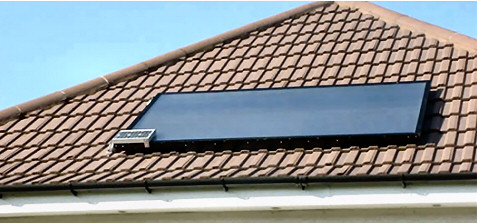
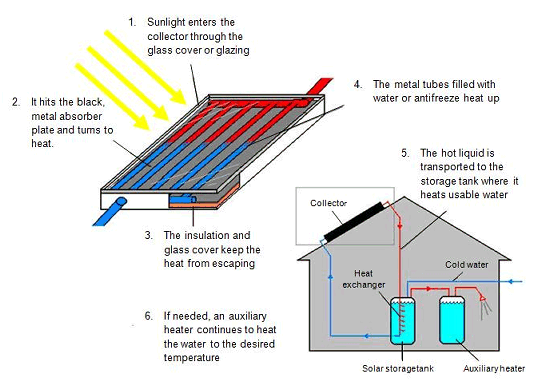
Solar Water Heating converts the sun’s energy to heat which is used to offset energy loads typically provided by natural gas and electricity. This clean renewable source of energy will reduce gas and electricity consumption, avoid combustion-related emissions and reduce the need for new fossil fuel infrastructures.
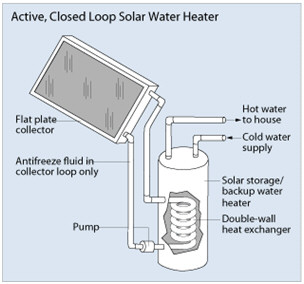 There are 2 types of Active Solar Water Heating systems:
- Direct circulation systems – Pumps circulate household water through the collectors and into the home. They work well in climates where it rarely freezes.
- Indirect circulation systems – Pumps circulate a non-freezing, heat-transfer fluid through the collectors and a heat exchanger. This heats the water that then flows into the home. They are popular in climates prone to freezing temperatures.
Passive Solar Water Heating systems are typically less expensive than active systems, but they’re usually not as efficient. However, passive systems can be more reliable and may last longer.
There are two basic types of passive systems:
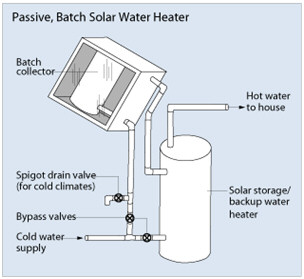 Integral collector-storage passive systems – These work best in areas where temperatures rarely fall below freezing. They also work well in households with significant daytime and evening hot-water needs.
- Thermosyphon systems – Water flows through the system when warm water rises as cooler water sinks. The collector must be installed below the storage tank so that warm water will rise into the tank. These systems are reliable, but contractors must pay careful attention to the roof design because of the heavy storage tank. They are usually more expensive than integral collector-storage passive systems.
Solar water heating systems almost always require a backup system for cloudy days and times of increased demand. Conventional storage water heaters usually provide backup and will be part of the solar system package.